Key points
- Most concussion symptoms settle within days to weeks. Symptoms lasting more than four weeks are described as persisting symptoms.
- Persisting symptoms do not always have one cause. The neck, balance system, eye movements, headache or migraine, sleep, mood, concentration and activity tolerance can all contribute.
- A symptom-guided assessment can identify which areas appear to be contributing and whether further medical or allied-health input is appropriate.
- Management is individualised, and may include education, a gradual return to activity and targeted rehabilitation.
Why symptoms can persist
Persistent symptoms do not always have one single cause. They can overlap with problems involving the neck, balance system, eye movements, headache or migraine, sleep, mood, concentration and tolerance to physical activity. This is why ongoing symptoms may benefit from reassessment rather than simply waiting for them to disappear.
How assessment can help
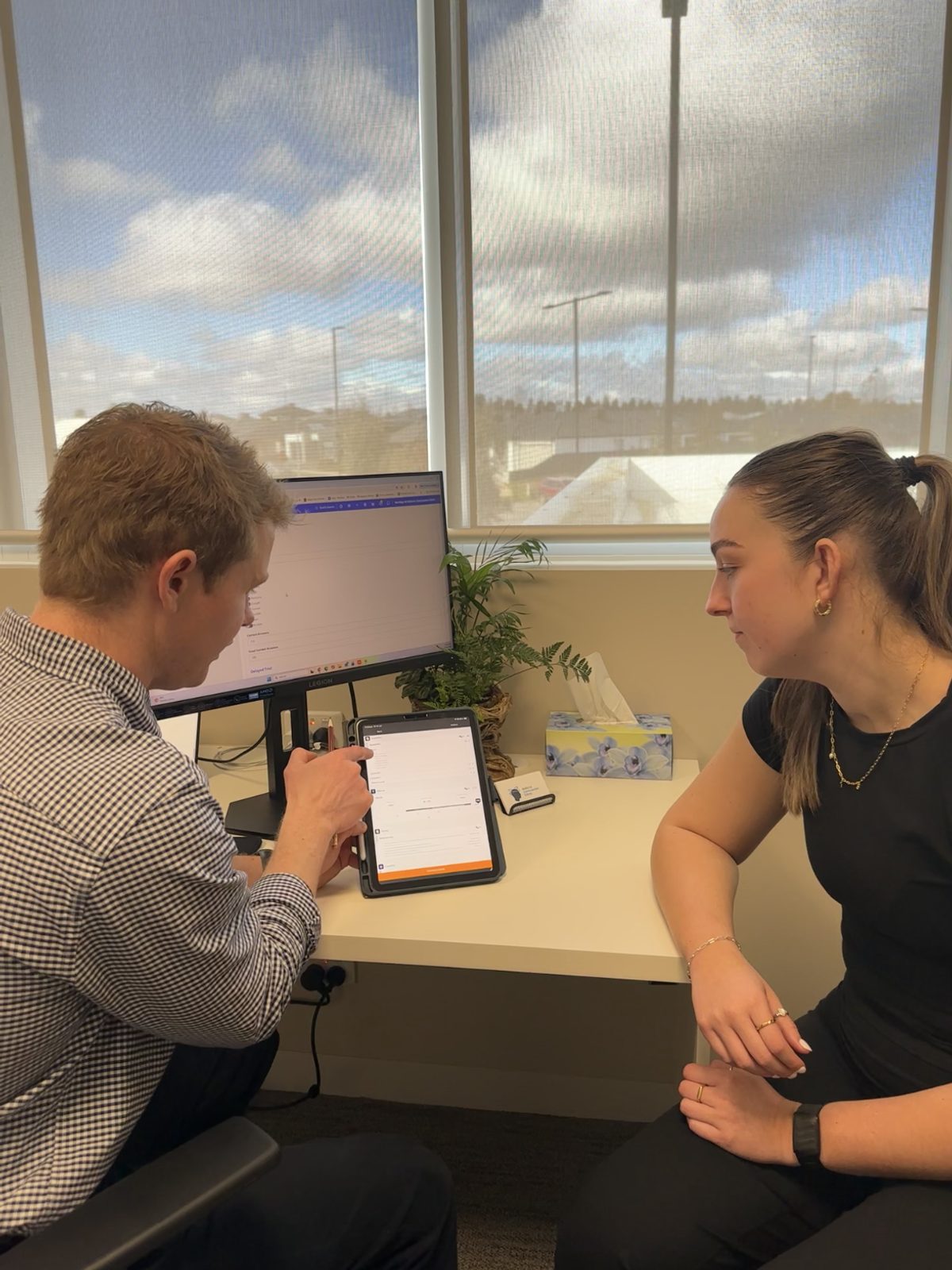
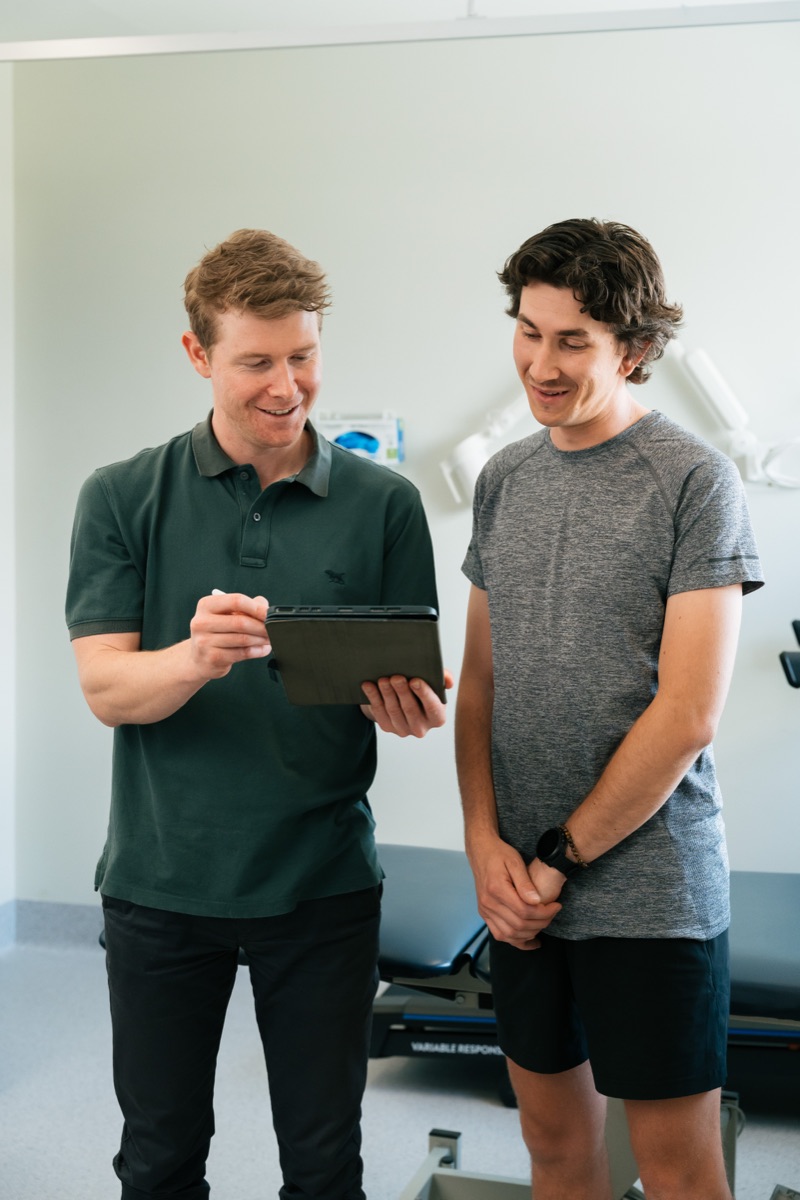
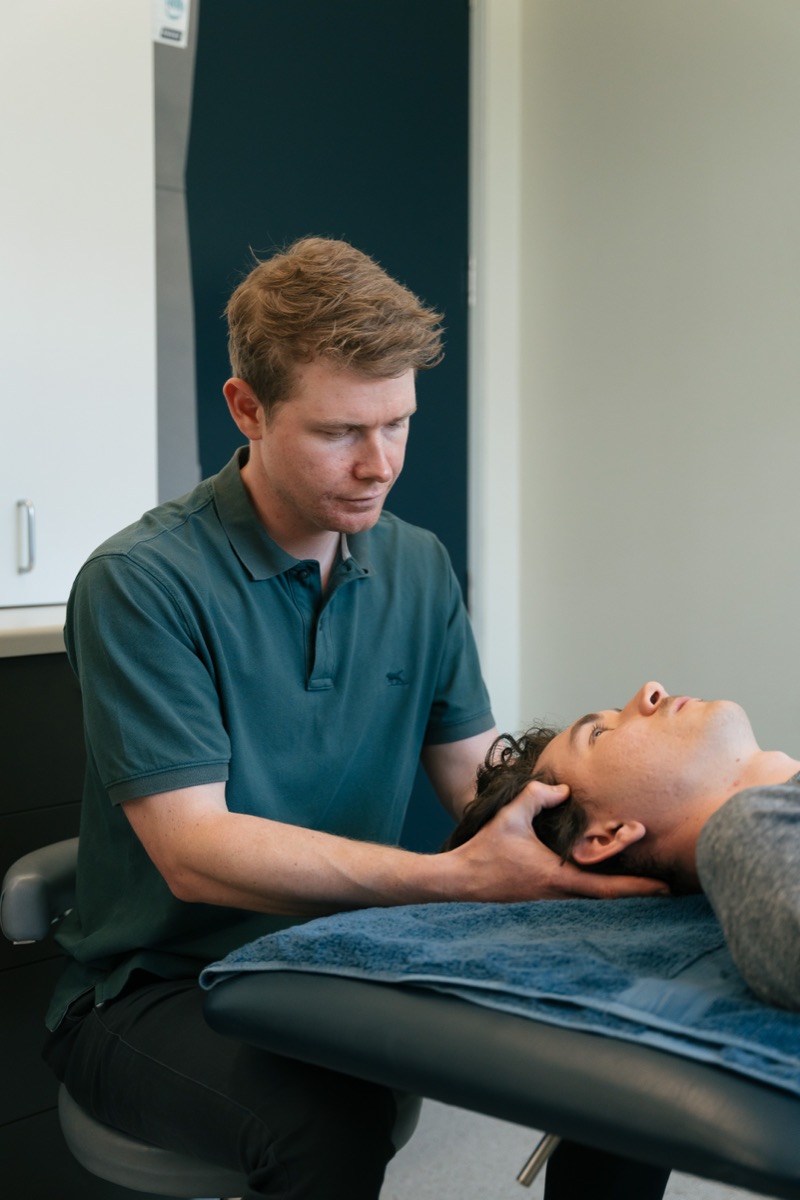
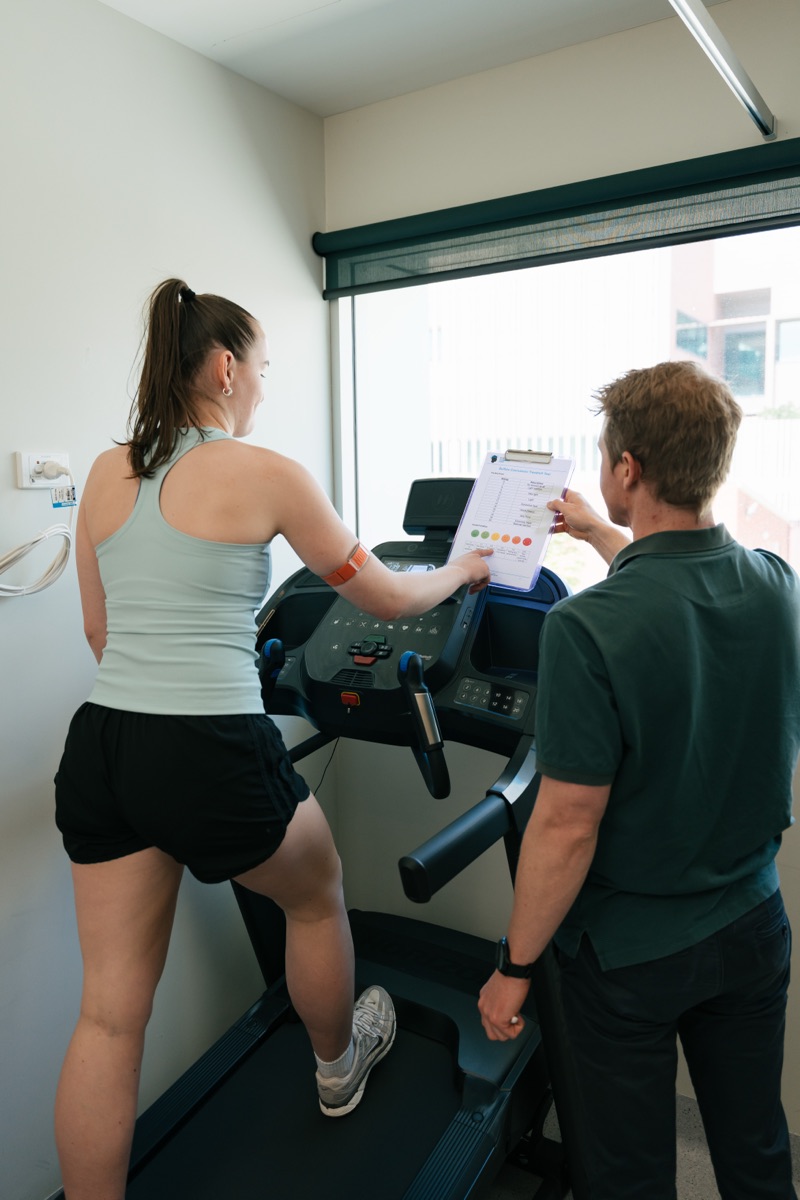
A clinician may use a symptom-guided assessment to identify which areas appear to be contributing and whether further medical or allied-health input is appropriate. Depending on the findings, management may include education, gradual return to activity and targeted rehabilitation. Evidence supports an individualised approach, which is why our practitioners treat every case individually.
When to seek urgent medical attention
Seek urgent medical attention for concerning symptoms such as a severe or worsening headache, repeated vomiting, seizure, increasing confusion, weakness or tingling, deteriorating consciousness or double vision. If you are concerned about a medical emergency, call emergency services straight away.
Discuss your symptoms with us
If concussion symptoms are continuing to affect your work, study, sport or daily life, book a consultation to discuss whether a clinical assessment may help clarify contributing factors and appropriate next steps.
Key evidence
- Barlow, K. M., Ponsford, J. L., Theodom, A., Cowen, G., Davis, G. A., Anderson, V., et al. (2025). Mild traumatic brain injury and concussion and persisting post-concussion symptoms: new guidelines to support evidence-based assessment and management in Australia and Aotearoa New Zealand. Medical Journal of Australia, 223(9), 446–449. DOI: 10.5694/mja2.70082.
The most directly applicable Australian and Aotearoa New Zealand source. Supports reassessment of persisting symptoms, symptom-specific assessment across cervical, vestibular, visual, cognitive, psychological, headache and migraine, sleep and other contributors, graduated activity and multidisciplinary referral where appropriate. The associated guideline is available at anzconcussionguidelines.com. - Patricios, J. S., Schneider, K. J., Dvorak, J., Ahmed, O. H., Blauwet, C., Cantu, R. C., et al. (2023). Consensus statement on concussion in sport: the 6th International Conference on Concussion in Sport, Amsterdam, October 2022. British Journal of Sports Medicine, 57(11), 695–711. DOI: 10.1136/bjsports-2023-106898.
Major international consensus informed by ten systematic reviews. Defines persisting symptoms as lasting more than four weeks, emphasises multimodal reassessment, and recommends targeted rehabilitation according to the individual's clinical findings. Its return-to-sport recommendations apply primarily to sport-related concussion. - Rytter, H. M., Graff, H. J., Henriksen, H. K., Aaen, N., Hartvigsen, J., Hoegh, M., et al. (2021). Nonpharmacological treatment of persistent postconcussion symptoms in adults: a systematic review and meta-analysis and guideline recommendation. JAMA Network Open, 4(11), e2132221. DOI: 10.1001/jamanetworkopen.2021.32221.
Systematic review and meta-analysis of 19 randomised controlled trials and 2,007 adults. Supports individualised active management such as graded exercise, vestibular rehabilitation, cervical and manual approaches, psychological intervention and interdisciplinary rehabilitation, while noting the certainty of evidence is low to very low. - Schneider, K. J., et al. (2023). Targeted interventions and their effect on recovery in children, adolescents and adults who have sustained a sport-related concussion: a systematic review. British Journal of Sports Medicine, 57(12), 771–779. DOI: 10.1136/bjsports-2022-106685.
Provides human evidence for symptom-targeted rehabilitation. In selected adolescents and adults with prolonged dizziness, neck pain or headache after sport-related concussion, individualised cervicovestibular rehabilitation may improve recovery-related outcomes. The evidence was heterogeneous, so findings are not guaranteed or applicable to every concussion. - Cheever, K., McDevitt, J., Phillips, J., & Kawata, K. (2021). The role of cervical symptoms in post-concussion management: a systematic review. Sports Medicine, 51(9), 1875–1891. DOI: 10.1007/s40279-021-01469-y.
Supports including cervical and neck assessment where neck symptoms are present, and shows that cervical symptoms can overlap with concussion symptoms. The review called for further randomised trials, supporting cautious wording rather than a claim that neck treatment routinely resolves concussion. - Australian Sports Commission / Concussion in Sport Australia. Signs and symptoms: evidence-based Australian concussion guidance for health professionals and sport. Available at ausport.gov.au/concussion.
Current Australian guidance on recognising the signs and symptoms of concussion.
This article is general information and is not a substitute for individual assessment, diagnosis or advice from a qualified health professional. A diagnosis of concussion must be obtained from a medical practitioner. If you are concerned about a medical emergency, call emergency services straight away. To discuss your own situation, get in touch or book a consultation.